Modern Resume Design Tips for Today’s Job Market
In today’s competitive job market, your resume is more than just a list of qualifications — it’s a powerful marketing tool. Modern Resume Design has evolved to reflect the changing expectations of employers and hiring managers who now seek clarity, creativity, and professionalism in one document. Whether you're applying for a corporate role, launching a freelance career, or showcasing creative work, having an up-to-date resume can make all the difference.
What Is Modern Resume Design?
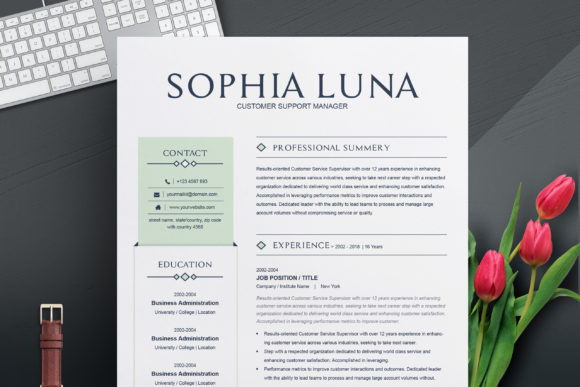
Modern Resume Design refers to contemporary formatting and presentation styles that emphasize clean aesthetics, readability, and strategic information hierarchy. Unlike outdated formats filled with generic phrases and rigid structures, modern resumes are tailored, visually appealing, and optimized for both human readers and applicant tracking systems (ATS).
These designs often incorporate minimalist layouts, smart use of white space, and subtle visual elements like icons or color accents to highlight key skills and achievements. The goal isn’t to impress with flashy graphics but to present your experience in a way that's easy to scan, understand, and remember.
Key Characteristics of Modern Resumes
- Minimalist Layout: Less clutter means more focus on what matters — your skills and accomplishments.
- Customizable Sections: You can add or remove sections depending on your field and experience level, such as portfolios, certifications, or volunteer work.
- Responsive Typography: Clean, professional fonts and consistent sizing improve readability across different devices and print formats.
- Color and Branding: Strategic use of color helps reinforce personal branding while keeping the overall look polished and professional.
- Icons and Visual Cues: These aid in quickly conveying information without overwhelming the reader.
Why Modern Resume Design Matters Now
If your current resume is over five years old, it might be time for an update. The rules have changed significantly. Employers now expect resumes that stand out not just for their content but also for how they’re presented. A modern design signals that you’re up-to-date with industry trends and take your career seriously.
Additionally, many companies use ATS to filter applications. A well-structured, modern resume is designed to pass through these systems smoothly while still looking great when printed or viewed on screen.
Usability and Efficiency
Modern Resume Design prioritizes usability. With clear headings, bullet points, and concise language, your resume becomes easier to navigate. Hiring managers typically spend just 6 seconds scanning each resume, so efficiency is crucial. Your layout should guide them directly to the most relevant information without unnecessary detours.
Professional Appearance
A professionally designed resume boosts your credibility. It shows attention to detail and a commitment to quality. Even if your content is strong, a dated or poorly formatted resume can undermine your chances. Investing in a modern template ensures your qualifications are presented in the best possible light.
Brand Consistency
For freelancers, entrepreneurs, and creatives, your resume is part of your brand identity. Using colors, fonts, and design elements that align with your website or logo helps maintain consistency and reinforces your professional image.
Practical Applications Across Different Fields
Modern Resume Design is versatile and adaptable to various industries. Here’s how it can benefit different professionals:
Professionals in Corporate Sectors
Executives and business professionals can leverage modern templates to highlight leadership roles and measurable outcomes. A sleek, two-column format can separate core responsibilities from achievements, making it easier to showcase impact at a glance.
Creative Industries
Designers, artists, and writers can use creative resume templates to display portfolios, samples of work, or even infographics. While the design may be bolder, it still maintains balance and readability, ensuring it doesn’t distract from the message.
Academic and Educational Roles
Educators and researchers often need to include extensive publication histories and teaching experiences. A modern resume allows for organized, chronological listings using bold headers and indentation techniques to enhance clarity without sacrificing style.
Digital Marketers and Tech Experts
Professionals in fast-paced digital fields benefit from ATS-friendly modern designs. Clean lines and keyword-rich content ensure visibility in automated screening processes while still offering a fresh, contemporary look.
Entrepreneurs and Freelancers
With the rise of remote work and gig-based careers, freelancers and entrepreneurs must create resumes that reflect flexibility and expertise. A modern resume can include client testimonials, project highlights, or even QR codes linking to online profiles or portfolios.
Getting Started: DIY Templates and Tools
Creating a modern resume doesn’t require advanced design skills. Many platforms offer high-quality, customizable templates that you can adapt easily. For example, a package labeled “★ Instant Download” might provide:
- A Complete Resume Template
- Cover Letter Template (also useful as a thank-you letter)
- Microsoft Word (.docx) and Mac Pages (.pages) files
- Photoshop (.psd) and Illustrator (.eps) files for graphic designers
- Detailed instructions to help you edit efficiently
- Links to free fonts used in the design
These templates are typically do-it-yourself. You’ll replace the sample text with your own details, adjust colors and fonts to match your brand, and modify sections to fit your unique background. This hands-on approach gives you full control while minimizing the learning curve.
Customization Options and Flexibility
One of the standout features of Modern Resume Design is its flexibility. Every element can be customized:
- All Text: From headings to body content, you can change any wording to better represent your journey and goals.
- Colors: Adjust the palette to suit your preferences or align with your personal brand. Keep it professional by sticking to muted tones or go bold with a signature color.
- Fonts: Change font size, weight, or type to match your personality and the industry standards of your field.
- Sections: Add new sections for projects, skills, or social media links. Remove those that don’t apply to keep the document focused.
This level of customization ensures your resume remains authentic and tailored to your specific needs — no cookie-cutter results here.
Requirements and Best Practices
To build your resume using these tools, you’ll need:
- A computer (Mac or PC) — mobile editing is not recommended due to compatibility issues.
- Microsoft Word or Pages (any version). Pages is available for free on the App Store for Mac users.
- Adobe Photoshop or Illustrator CS 5.0 or higher, if you want to tweak visuals further.
- The ability to unzip files — most templates come in compressed formats for easy download and access.
When working with these templates, always prioritize clarity. Avoid overcrowding pages with too much text or too many visual elements. Stick to a single page unless you have extensive experience that genuinely requires more.
Realistic Use Cases
Let’s consider a few scenarios where Modern Resume Design proves invaluable:
- Freelance Graphic Designer: Uses a colorful, icon-based resume to showcase their portfolio and technical skills. The template includes a dedicated section for featured projects with brief descriptions and URLs.
- Marketing Executive: Chooses a minimalist black-and-white resume with a focus on metrics and achievements. ATS-friendly formatting ensures keywords like “SEO,” “brand strategy,” and “digital campaigns” are highlighted effectively.
- New Grad Applying for Internships: Utilizes a modern one-page resume with clear education and project experience sections. The clean layout helps emphasize potential and eagerness to learn.
Benefits Beyond the First Impression
A well-designed resume offers long-term value. It improves your user experience by being easier to update and maintain. When you’re ready to pivot careers or apply for a new role, simply reformatting a modern resume takes minutes instead of hours.
Moreover, a modern resume enhances communication. By organizing your experience into digestible sections, you help hiring managers understand your strengths and fit for the role more quickly. This efficiency can increase your engagement rate and reduce the chance of your application being overlooked.
Recommendations for Success
Here are some tips to maximize the effectiveness of your Modern Resume Design:
- Keep it concise: Aim for one page unless your experience demands more. Use bullet points and short sentences to convey information clearly.
- Use action verbs: Start each bullet point with a strong verb like “managed,” “developed,” or “increased” to show initiative and results.
- Optimize for ATS: Ensure your resume uses standard section headings and avoids overly stylized fonts that might not render correctly in automated systems.
- Include a cover letter: A matching cover letter template helps you elaborate on your motivation and aligns your entire application visually.
- Proofread: Typos and formatting inconsistencies can negate even the best design. Always review your final document before sending it out.
Final Thoughts
Whether you’re updating an old resume or starting fresh, embracing Modern Resume Design can give you a significant edge. It’s not just about looking good — it’s about communicating your value clearly and professionally. With the right tools and a bit of effort, creating a compelling, visually aligned resume is within reach for anyone.
And remember, the best part? You can get started right away with a ★ Instant Download package that provides everything you need to craft a resume that stands out in today’s fast-moving world. So why wait? Update your resume, refine your brand, and open doors to new opportunities with confidence and clarity.