Product Catalogue Template Design: A Practical Guide for Choosing the Right Format
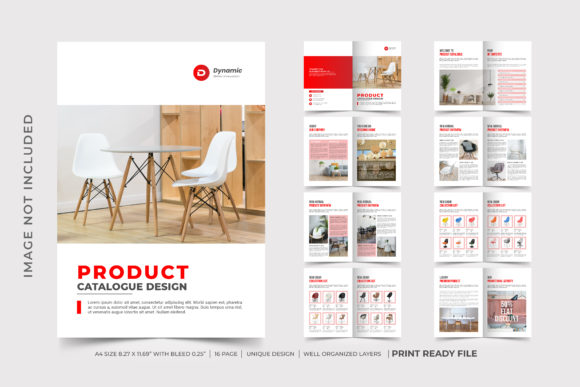
A product catalogue template design is a pre-formatted layout that helps businesses present their products in a visually appealing and organized manner. These templates are typically used for print or digital brochures, flyers, and marketing materials that showcase product offerings with high-quality images, descriptions, and pricing. When selecting a template, it's important to consider its structure, usability, and compatibility with your business needs. This article explores how product catalogue template designs work, what makes them stand out, and when they might be the best choice for your next project.
What Makes Product Catalogue Templates Unique?
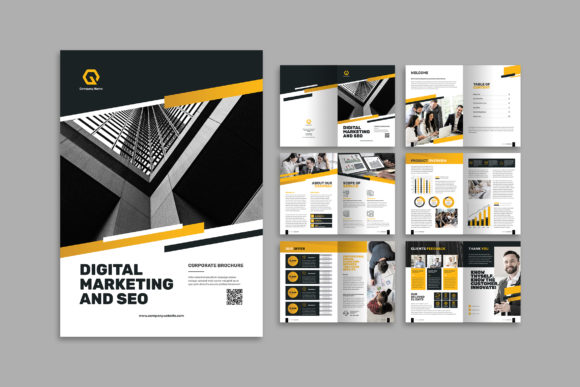
Product catalogue templates differ from other types of design layouts because they focus on showcasing multiple items within a single document. Unlike a one-page flyer or a simple brochure, these templates are designed to handle 16 custom pages, making them ideal for businesses with extensive product lines. The key elements of a good product catalogue template include:
- Consistent formatting across all pages
- Easy-to-edit sections for adding or modifying content
- Well-organized layers for efficient graphic editing
- Standardized dimensions such as A4 format size (8.27 x 11.69 inches)
- Inclusion of 0.25 bleed for professional printing
The availability of an AI EPS version ensures compatibility with Adobe Illustrator, allowing designers to make precise adjustments while maintaining premium quality. Additionally, using only free fonts keeps production costs low without compromising on visual appeal.
Comparing Product Catalogue Template Designs with Other Formats
When considering promotional materials, many businesses choose between digital brochures, infographics, or multi-page websites. However, a product catalogue template offers several distinct advantages:
- Print-readiness: Designed specifically for A4 paper, these templates ensure that printed catalogues look sharp and consistent across all pages.
- Customizability: With 100 editable components, users can tailor every aspect of the design to match their brand identity.
- Time efficiency: Compared to designing each page from scratch, using a template significantly reduces production time.
- Layer organization: Well-structured layers simplify the editing process, especially for those new to design software like Adobe Illustrator.
However, there are also scenarios where other formats may be more suitable. For example, if you're targeting a mobile-first audience, a responsive website or PDF-based digital brochure might offer better accessibility. Similarly, if your goal is to highlight a single product in detail, a minimalist flyer or landing page could be more effective.
Strengths of Using a Product Catalogue Template Design
One of the biggest strengths of a product catalogue template design is its balance between functionality and aesthetics. Here are some specific benefits:
- Premium Quality: Professionally crafted designs give your catalogue a polished look that enhances brand credibility.
- Cost-effective: Free font usage and ready-to-edit files help reduce expenses associated with hiring a designer.
- Scalable: Whether you're a small startup or a large enterprise, these templates can be adapted to suit different scales of product listings.
- Printing Compatibility: Including 0.25 bleed means your final output will have clean edges and no white borders after trimming.
These features make the template particularly useful for e-commerce businesses, manufacturers, and service providers who need to distribute physical or digital copies of their product lists to customers, partners, or at trade shows.
Tradeoffs and Limitations to Consider
While product catalogue template designs are highly versatile, they do come with certain limitations that should be evaluated before making a decision:
- Learning curve: Although easy to edit, beginners may need some time to navigate the layers and understand the structure.
- Design constraints: Templates follow a predefined style, which may not allow for complete creative freedom unless you're willing to invest time in customization.
- Not ideal for dynamic content: If your product listings change frequently, managing updates in a static template could become cumbersome.
- File type dependency: The AI EPS format is powerful but requires Adobe Illustrator or compatible software to fully leverage its features.
For instance, if your business relies on real-time inventory data or interactive features, a web-based solution like a Shopify store or an online catalog platform would likely be more appropriate. On the other hand, if you're looking for something that’s easy to produce and distribute physically, a product catalogue template remains a strong contender.
Best-Fit Situations for Product Catalogue Template Designs
There are several situations where a product catalogue template design shines:
- Physical Print Brochures: Perfect for events, exhibitions, or direct mail campaigns where a tangible product list is needed.
- Seasonal Promotions: Easily update product details, prices, and images to reflect seasonal changes or limited-time offers.
- Internal Use: Distribute among sales teams or customer service representatives to provide accurate product information offline.
- Brand Consistency: Maintain a uniform look and feel across all marketing materials by using the same template structure and color schemes.
Real-world examples include fashion retailers using these templates to display their latest collections, food suppliers creating illustrated menus, and electronics stores organizing product specs and visuals into an easy-to-browse format.
Alternatives to Explore
If a product catalogue template isn’t the perfect fit, here are some alternatives worth considering:
Digital Brochure Platforms
Tools like Issuu or FlipHTML5 let you create interactive digital versions of your catalogues. These platforms support animations, hyperlinks, and embedded videos—features that static templates can't offer. They’re excellent for reaching audiences online and reducing paper waste.
Website Portals
Creating a dedicated product page or e-commerce site allows for continuous updates and integration with shopping carts. While this approach demands more technical setup, it provides greater flexibility for user interaction and scalability.
Minimalist Flyers
For smaller product ranges or targeted promotions, a single-page flyer might be sufficient. These are easier to produce quickly and cost less to print. However, they lack the depth and variety offered by multi-page catalogues.
Infographics
Infographics are great for summarizing complex information in a visual format. While they can highlight key products or services, they don't replace the comprehensive nature of a full product catalogue.
Decision Factors for Choosing the Right Template
Several factors should influence your decision when choosing a product catalogue template design:
- Number of Products: If you have 16 or more items to showcase, a multi-page template will help organize the content effectively.
- Intended Medium: Decide whether your catalogue will be printed or shared digitally. Ensure the template supports the required file format and bleed settings for printing.
- Editing Experience: If you or your team are familiar with Adobe Illustrator, the AI EPS format will be advantageous. Otherwise, consider templates compatible with other tools like Photoshop or InDesign.
- Brand Identity: Choose a template that aligns with your brand colors, typography, and overall aesthetic. Customization options should allow for meaningful personalization.
- Budget Constraints: Since most templates use only free fonts and are highly editable, they tend to be a budget-friendly option compared to custom design work.
When to Opt for a Product Catalogue Template Design
Here are some clear indicators that a product catalogue template design is the right choice:
- You need a quick turnaround for a print-ready product brochure.
- Your product range is moderate to large and requires structured presentation.
- You want to maintain a consistent brand image across all marketing collateral.
- Your team has basic to intermediate design skills and access to Adobe Illustrator.
- You prefer a cost-effective solution over hiring a designer for every update.
For example, a local home décor company planning a holiday sale might use a product catalogue template to display 16 curated items across custom-designed pages. The A4 format ensures compatibility with standard printers, while the well-organized layers allow the team to tweak product placements and add festive graphics easily.
When to Consider Other Options
Despite their versatility, product catalogue template designs aren’t always the best choice. Consider alternative formats if any of the following apply:
- Your audience primarily accesses content via smartphones or tablets.
- You require frequent updates or dynamic content changes.
- You need interactivity such as clickable links, video demonstrations, or live inventory feeds.
- Your budget allows for custom design or development.
- You're launching a new product line and want a unique, tailored experience rather than a generic layout.
In such cases, investing in a digital-first approach or partnering with a design agency might yield better results. However, for most small to mid-sized businesses, a well-structured product catalogue template design offers a practical middle ground between creativity and efficiency.
Practical Tips for Maximizing Your Template
To get the most out of your product catalogue template design, keep these tips in mind:
- Use high-resolution images: Even the best template won't shine if the visuals are blurry or pixelated.
- Maintain consistency: Stick to a unified color scheme and font style to enhance readability and professionalism.
- Optimize text for clarity: Avoid overcrowding pages with too much information. Use bullet points, short paragraphs, and clear headings.
- Test the print layout: Before mass production, print a sample to check for alignment, bleed, and overall appearance.
- Update regularly: Keep the content fresh and relevant to avoid confusion with outdated information.
By following these guidelines, you can ensure that your product catalogue remains both informative and visually compelling, regardless of the template you choose.
Final Thoughts on Selecting the Right Design Tool
Ultimately, the decision to use a product catalogue template design depends on your specific goals, resources, and target audience. These templates are particularly valuable for businesses that need a structured, customizable, and print-ready solution. Their combination of ease of use, premium quality, and affordability makes them a popular choice among entrepreneurs and marketing professionals alike.
Still, it's essential to weigh the pros and cons against your unique situation. Evaluate how often your product lineup changes, the tools available to your team, and the medium through which your audience prefers to engage. By doing so, you’ll be able to determine whether a product catalogue template design is the best path forward or if another format suits your needs better.