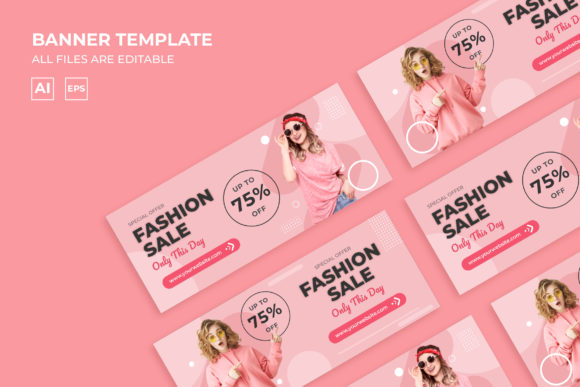
Banner Template: A Practical Tool for Streamlining Your Digital Marketing Workflow
When it comes to digital marketing, visual content plays a crucial role in capturing attention and driving engagement. One of the most effective tools in your design arsenal is the Banner Template. These pre-designed layouts serve as a foundation for creating banners that are consistent, professional, and adaptable across various platforms. Whether you're launching a new product, promoting a service, or running a campaign, having access to high-quality Banner Templates can significantly reduce design time while maintaining a polished look.
Understanding the Role of Banner Templates in Design Workflows
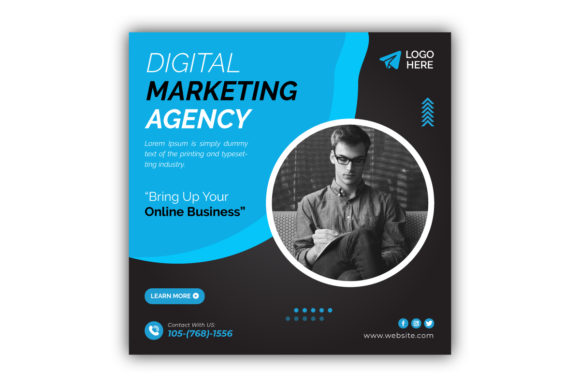
A Banner Template is more than just a static image; it's a structured framework that allows designers and marketers to focus on branding and messaging rather than starting from scratch each time. By using these templates, you ensure that your visuals align with brand guidelines and platform requirements without compromising creativity or quality.
In practical terms, Banner Templates fit into the broader design process during the execution phase—specifically when you need to produce multiple versions of a banner for different channels. They act as a bridge between planning and implementation, making it easier to translate ideas into visually compelling assets.
Preparation and Planning
Before diving into any design project, preparation is key. This includes understanding the target audience, the campaign goals, and the specific dimensions required by each advertising platform. When you use a Banner Template, you start with a solid base that already meets common size specifications such as Skyscraper (120×600), Wide Skyscraper (160×600), Half Page Banner (300×600), and others like Vertical Rectangle, Billboard, Leaderboard, and mobile sizes. This ensures your banners will display correctly and effectively right out of the box.
It’s also important to gather all necessary assets—logos, images, fonts, and color schemes—before opening the template. Having these ready streamlines the editing process and helps maintain consistency across all your banners.
How to Use Banner Templates Effectively
Banner Templates are designed for ease of use, especially if you work with Adobe Photoshop. Each of the 18 included PSD files is fully organized with smart layers, RGB format colors, and free Google Fonts. This makes them highly customizable and suitable for both beginners and professionals looking to create eye-catching ads quickly.
- Before the Project: Select the appropriate template based on your campaign's needs. For example, if you're targeting mobile users, choose the Mobile (320×100) or Instagram Stories (1080×1920) template. If you're promoting on Facebook, the Facebook AD (1200×628) or Cover (1350×500) sizes are ideal.
- During the Project: Open the chosen PSD file in Photoshop and begin customizing. Replace placeholder images with your own media, adjust text elements to reflect your message, and modify colors to match your brand identity. The well-organized layers make this process straightforward and efficient.
- After the Project: Once your banner is complete, save it in the correct format for the intended platform. Many templates include instructions or layer notes to guide you through export settings, ensuring compatibility with ad managers like Google AdWords or Meta Ads Manager.
Workflow Integration Tips
Integrating Banner Templates into your workflow doesn't have to be complicated. Here are some practical tips to help you get started:
- Batch Editing: Use Photoshop actions or scripts to automate repetitive tasks across multiple templates. This is especially useful when you need to update several banners at once, such as changing a logo or adjusting text for seasonal campaigns.
- Asset Management: Keep a centralized folder for all your brand assets (images, fonts, logos). This makes it easier to reuse and update visuals consistently across different templates.
- Version Control: Maintain clear naming conventions for your edited files. For instance, “Banner_Leaderboard_Version2.psd” helps track changes and avoid confusion later on.
- Preview Before Publishing: Always test your final banner on the intended platform before publishing. Even though the templates are optimized for web use, previewing ensures there are no unexpected formatting issues.
Maximizing Usability and Compatibility
One of the standout features of modern Banner Templates is their compatibility with a wide range of platforms and devices. From desktop to mobile, and from social media to website sliders, these templates are built to adapt. The inclusion of standard sizes like Square (250×250), Small Square (200×200), Large Rectangle (336×280), and Website Slider (1500×500) means you won’t have to worry about resizing or distorting your visuals after creation.
Additionally, the use of RGB color mode and 150 DPI resolution ensures that your banners render clearly on digital screens. Avoid using CMYK unless you’re printing, and always double-check font licensing—even though the templates use free Google Fonts, confirming availability is part of good practice for long-term use.
Customization and Consistency
With 100% customization possible, Banner Templates allow you to tailor every detail to your brand. However, it's essential to maintain visual consistency across all banners to reinforce brand recognition. You can do this by using the same fonts, color palettes, and layout structures where applicable.
Smart layers simplify this process by allowing you to edit elements without affecting other parts of the design. For instance, if you want to change a headline, you can do so independently of the background or icon graphics. This level of organization not only improves efficiency but also reduces the risk of errors during edits.
Real-World Use Cases and Implementation Examples
Let’s consider a few real-world scenarios where Banner Templates can be particularly valuable:
- Product Launch Campaign: A small business owner wants to promote a new line of eco-friendly products across Facebook, Instagram, and Google Ads. Using the relevant templates, they create three variations of the same core message—each optimized for its platform. This saves time and maintains a cohesive brand presence.
- Social Media Series: A content creator is developing a week-long Instagram Story series for a client. They use the Instagram Stories (1080×1920) template and duplicate it for each day, swapping out the imagery and headlines while keeping the layout consistent. This approach ensures a professional appearance and simplifies the editing process.
- Website Redesign: A freelancer is redesigning a client’s landing page and needs a set of promotional banners. They use the Website Slider (1500×500) and Medium Rectangle (300×250) templates to build out the header and sidebar promotions, reducing development time and ensuring responsive sizing.
Best Practices for Long-Term Use
To get the most out of your Banner Templates, consider these best practices:
- Organize Your Files: Create a dedicated folder structure for each campaign. Subfolders for “Original Templates,” “Working Files,” and “Final Output” help keep everything manageable.
- Update Regularly: As your brand evolves, revisit your templates to ensure they reflect updated branding elements. Keeping a master version of each template allows for quick updates and easy distribution to team members.
- Use Icons Wisely: Free icon fonts included in the templates are great for adding visual interest, but don’t overuse them. A clean, uncluttered banner is often more effective than one with too many graphical elements.
- Test Across Devices: Make sure your banners look good on both desktop and mobile. Some platforms automatically scale or crop banners, so testing helps prevent unwanted results.
Choosing the Right Banner Template for Your Needs
Not all projects require the same banner size or style. Understanding which Banner Template fits your objective is part of strategic planning. Here’s how to decide:
- Facebook AD (1200×628): Ideal for boosting posts or running targeted ad campaigns. This size provides enough space for a strong visual and concise copy.
- Instagram Stories (1080×1920): Perfect for short, vertical video or animated banners. The full-screen format is immersive and highly engaging.
- Billboard (970×250): Great for website headers or large desktop displays. It offers a broad canvas for showcasing multiple elements.
- Mobile (320×100): Useful for mobile site placements or in-app ads. Its compact size demands clarity and simplicity.
- Website Slider (1500×500): Suitable for homepage carousels. These banners benefit from bold imagery and minimal text to guide user navigation.
Quality Control and Final Checks
Before exporting your finished banner, take a moment to review the following aspects:
- Resolution: Confirm that the exported image is at least 150 DPI for crisp display on digital screens.
- File Format: Most platforms accept PNG or JPEG. PNG is recommended for banners with transparent backgrounds or detailed graphics.
- Text Legibility: Ensure that all text is readable at the banner's native size. Avoid tiny fonts or overly stylized typefaces that might compromise clarity.
- Call-to-Action (CTA): Every banner should have a clear CTA. Position it strategically within the template so it stands out but remains natural to the overall design.
Why Invest in High-Quality Banner Templates?
High-quality Banner Templates offer more than just convenience—they enhance your productivity and output quality. With layers that are well-structured and assets that are easy to replace, these templates enable faster turnaround times and more creative flexibility. For entrepreneurs and marketers who juggle multiple campaigns, this kind of efficiency is invaluable.
Moreover, investing in a comprehensive set of templates helps maintain a professional aesthetic across all marketing materials. Whether you're managing an online store, a blog, or a SaaS platform, consistent branding builds trust and improves campaign performance.
Getting Started with Your Banner Templates
Using the provided collection of 18 PSD Banner Templates is straightforward. Here’s a simple setup process:
- Download the Package: Access the collection of templates and extract the ZIP file to your local drive.
- Open in Photoshop: Navigate to the desired template and open it. Take note of the layer names and groups to understand how the design is structured.
- Edit Smart Layers: Replace placeholder content using the smart layer functionality. Adjust colors, fonts, and spacing as needed to align with your brand.
- Export for Use: Save the final banner in the appropriate format and upload it to your ad platform or embed it on your website.
- Archive and Reuse: Store completed designs for future reference. This creates a library of proven layouts you can tweak for upcoming campaigns.
Conclusion
The Banner Template is a powerful tool for anyone involved in digital marketing, graphic design, or content creation. By offering pre-built, platform-specific designs with full customization options, these templates streamline the creative process and improve output consistency. Whether you're a marketer handling multiple ad campaigns or a small business owner designing your first promotional banner, incorporating these templates into your workflow can save time, reduce errors, and elevate your visual communication.
Remember, the goal isn’t just to create a banner—it's to create one that resonates with your audience and drives action. With the right template and a thoughtful approach, you can achieve that efficiently and effectively.