Enhancing Design Projects with Grass Textured Text Effect and Unique Editable PSD Text
In the ever-evolving world of digital design, text effects play a crucial role in capturing attention and conveying messages effectively. One such innovative approach is the Grass Textured Text Effect, which blends natural elements with typography to create visually engaging content. This effect is especially popular among graphic designers, web developers, and creative professionals who are looking for ways to stand out in their projects. With the availability of a Unique Editable PSD Text Effect, users can now experiment with this style while maintaining full control over customization and scalability.
What Is the Grass Textured Text Effect?
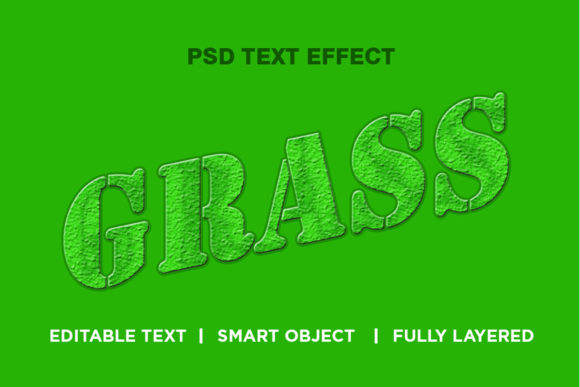
The Grass Textured Text Effect is a design technique that mimics the look of grass or other organic textures applied directly onto text. It creates a sense of realism by using gradients, shadows, and layered textures to simulate the appearance of blades of grass growing from the letters themselves. This effect is particularly useful for nature-themed websites, branding campaigns, or promotional materials where a connection to the environment is desired.
Unlike traditional flat text, the grass texture adds depth and dimension, making it more dynamic and visually appealing. The use of natural motifs in typography has gained traction as audiences increasingly seek authenticity and creativity in visual communication.
How to Use the Grass Textured Text Effect
Implementing this effect into your design workflow is straightforward, especially when you have access to an editable PSD file. The source file allows for easy manipulation of colors, shapes, and positioning. You can adjust the hue of the grass to match your brand palette or change the lighting to suit different backgrounds.
Moreover, the layered structure of the PSD ensures that every element—such as individual blades of grass, shadows, and highlights—is isolated and modifiable. This makes it ideal for both beginners and advanced users who want to personalize their designs without starting from scratch.
Key Features of the Editable Grass Textured PSD File
- 100 Editable and Scalable Elements: Every component within the PSD file is designed to be easily edited, allowing for maximum flexibility in adapting the text to various sizes and styles.
- Fully Layered and Grouped: The file is meticulously organized with layers and groups, enabling precise adjustments without affecting unrelated parts of the design.
- PSD Source File Included: Users receive the original Photoshop file, which is essential for those who need to make custom edits or integrate the text into complex layouts.
- JPG Preview Image: A high-resolution preview image is provided for quick reference and visualization before diving into the editing process.
- Easy Integration: Whether you're working on a website, app, or print material, the grass textured text effect can be seamlessly incorporated thanks to its clean design and compatibility with common tools.
Why Choose an Editable PSD Format?
Using an editable PSD format for the grass textured text effect offers several advantages. First, it provides complete freedom to tweak the design according to specific needs. For example, if you're designing a mobile application, you can resize the text effect without losing quality. Second, the layered structure simplifies the learning curve for new users, making it easier to understand how each part contributes to the overall aesthetic.
Additionally, having access to the source file means that you can modify the underlying textures and gradients, which is particularly beneficial when trying to achieve a unique look that aligns with your project's theme.
Practical Applications Across Industries
The grass textured text effect is not limited to a single industry; instead, it finds relevance across multiple sectors. Here are some practical applications where this effect can add value:
Web and Mobile Design
For designers working on web and mobile projects, incorporating grass-textured text can help create a more immersive user experience. It’s often used in eco-friendly product landing pages, travel websites featuring countryside destinations, or educational platforms focused on biology and environmental studies. Because the PSD file is scalable, it adapts well to responsive design principles, ensuring the text looks great on all screen sizes.
Marketing and Branding Campaigns
Marketers frequently use bold and unconventional text effects to grab attention. The grass texture can be integrated into posters, social media graphics, or email headers to promote green initiatives, agricultural products, or outdoor activities. Its versatility makes it suitable for both minimalist and vibrant brand identities.
Educational and Research Materials
In academic settings, the grass textured text effect can serve as a visual aid to represent growth, sustainability, or ecological concepts. Educators may use it in presentations or infographics to illustrate topics related to plant life, soil health, or climate change. The ability to edit the effect makes it adaptable for different educational formats and accessibility requirements.
Business Presentations and Reports
Even in corporate environments, creative typography can enhance communication. Business owners might use this effect in reports highlighting sustainable practices, CSR (Corporate Social Responsibility) efforts, or green energy solutions. It adds a touch of innovation and can make data-driven content more engaging for stakeholders.
Hobbyists and Personal Projects
For hobbyists and personal creators, the grass textured text effect opens up a range of possibilities for artistic expression. It can be used in digital art, greeting cards, or even YouTube thumbnails to create a fresh and nature-inspired look. The ease of editing encourages experimentation and helps users refine their skills in Photoshop and other design software.
Advantages of Using the Grass Textured Text Effect
There are numerous benefits to using the grass textured text effect in your design work. These include:
- Visual Appeal: The effect adds a natural, organic feel to any composition, making it instantly noticeable and memorable.
- Customization Options: With 100 editable elements, users can tailor the design to fit their exact specifications, whether they want to change the color scheme or add additional visual elements.
- Professional Quality: The fully layered and grouped structure ensures that the final output meets professional standards, suitable for print or digital publishing.
- Time Efficiency: Instead of creating the entire effect manually, designers can leverage the pre-built assets in the PSD file, significantly reducing production time.
- Consistency: The same effect can be reused across multiple projects, ensuring a cohesive visual identity while saving effort in the long run.
Real-World Examples
Several real-world examples demonstrate the effectiveness of the grass textured text effect. A notable instance is its use in a recent campaign for a sustainable fashion brand, where the text was overlaid on images of lush landscapes to emphasize the brand's commitment to the environment. Another example comes from a wildlife documentary series that used the effect in title sequences to highlight the beauty of nature.
These cases show how the right text effect can elevate a project's message and emotional impact. When combined with thoughtful design choices, the grass textured text becomes a powerful storytelling tool.
Considerations When Implementing the Effect
While the grass textured text effect is versatile, there are a few key considerations to keep in mind to ensure it complements your overall design:
- Color Contrast: Ensure that the grass tones contrast well with the background to maintain readability. Darker greens tend to pop against light backdrops, but variations exist depending on the context.
- Font Choice: Not all fonts work equally well with this effect. Opt for fonts that have clear letterforms and sufficient spacing to allow the grass texture to blend naturally without overcrowding.
- Performance Impact: If you're embedding the effect in a web project, consider optimizing the image size and format to prevent slow loading times, especially for mobile users.
- Audience Relevance: Use the grass texture only when it aligns with the message or theme of your project. Misuse can lead to confusion or dilute the intended impact.
- Accessibility: Always provide alternative text descriptions for users who rely on screen readers, ensuring inclusivity doesn’t suffer for the sake of aesthetics.
Best Practices for Customization
To get the most out of the grass textured text effect, follow these best practices when working with the PSD file:
- Use the layer manager to isolate and modify specific elements like shadows or highlights.
- Experiment with blending modes to see how the grass interacts with other design components.
- Adjust opacity levels to create subtle or dramatic effects based on your layout.
- Test the effect on different background colors and images to find the optimal placement and visibility.
- Export in multiple resolutions to accommodate different display requirements.
Comparison with Other Text Effects
When evaluating the grass textured text effect against other popular text styles, such as fire, water, or metallic effects, it stands out for its organic and serene appearance. While fire effects convey energy and urgency, the grass effect communicates growth, harmony, and sustainability. Similarly, water-based effects often suggest fluidity and motion, whereas the grass effect brings stability and earthiness to the design.
Another advantage is the non-aggressive nature of the grass texture. Unlike neon or glowing text effects that can overwhelm the viewer, the grass effect integrates smoothly into most compositions, offering a balanced visual presence. This makes it ideal for long-form content where readability remains a priority.
Scalability and Compatibility
One of the standout features of this grass textured text effect is its scalability. As the text is vector-based within the PSD file, it can be resized without any loss of quality. This is particularly important for multi-platform projects where the same asset must appear sharp on everything from billboards to smartphones.
Compatibility is another factor worth noting. The PSD file works seamlessly with Adobe Photoshop, and once exported as JPG or PNG, it can be used in almost any design software or CMS (Content Management System). This broad support ensures that the effect is accessible to a wide range of users regardless of their preferred tools.
Trends and Future Relevance
As trends in digital design continue to shift towards more natural and handcrafted aesthetics, the grass textured text effect is likely to remain relevant. The rise of eco-conscious branding and the demand for unique visual storytelling further reinforce its importance. Designers who incorporate such effects early can position themselves at the forefront of these emerging trends.
Looking ahead, we can expect to see more integration of organic textures with interactive elements in web and mobile design. The grass effect could evolve to include animation or hover states, enhancing user engagement even further. However, the core principle will remain the same: using natural inspiration to create compelling and meaningful visuals.
Getting Started with Your Own Grass Textured Design
If you're interested in experimenting with the grass textured text effect, the first step is to download the unique editable PSD text effect. Once you have the file, open it in Photoshop and explore the layers. You’ll notice that each blade of grass is carefully placed to form the letters, with adjustment layers for brightness, contrast, and color balance.
Begin by modifying the base color to suit your project's theme. From there, you can adjust the texture overlay, add drop shadows, or even combine it with other elements like flowers or leaves. The JPG preview serves as a helpful guide to visualize the changes you’re making in real-time.
Final Thoughts on the Grass Textured Text Effect
The grass textured text effect represents a fusion of creativity and functionality in modern design. Its unique characteristics, including full editability and layered structure, make it a valuable resource for anyone looking to add a touch of nature to their projects. By understanding how to use and customize the effect, designers can unlock new possibilities for visual storytelling and brand expression.
Whether you're a seasoned professional or just beginning your journey in design, exploring the grass textured text effect through an editable PSD file is a rewarding way to expand your creative toolkit. With its adaptability and aesthetic appeal, it’s no wonder this effect continues to gain popularity across industries and platforms.